
Head of the Crow State Park Expansions Further Protect Biodiverse South Cumberland Plateau
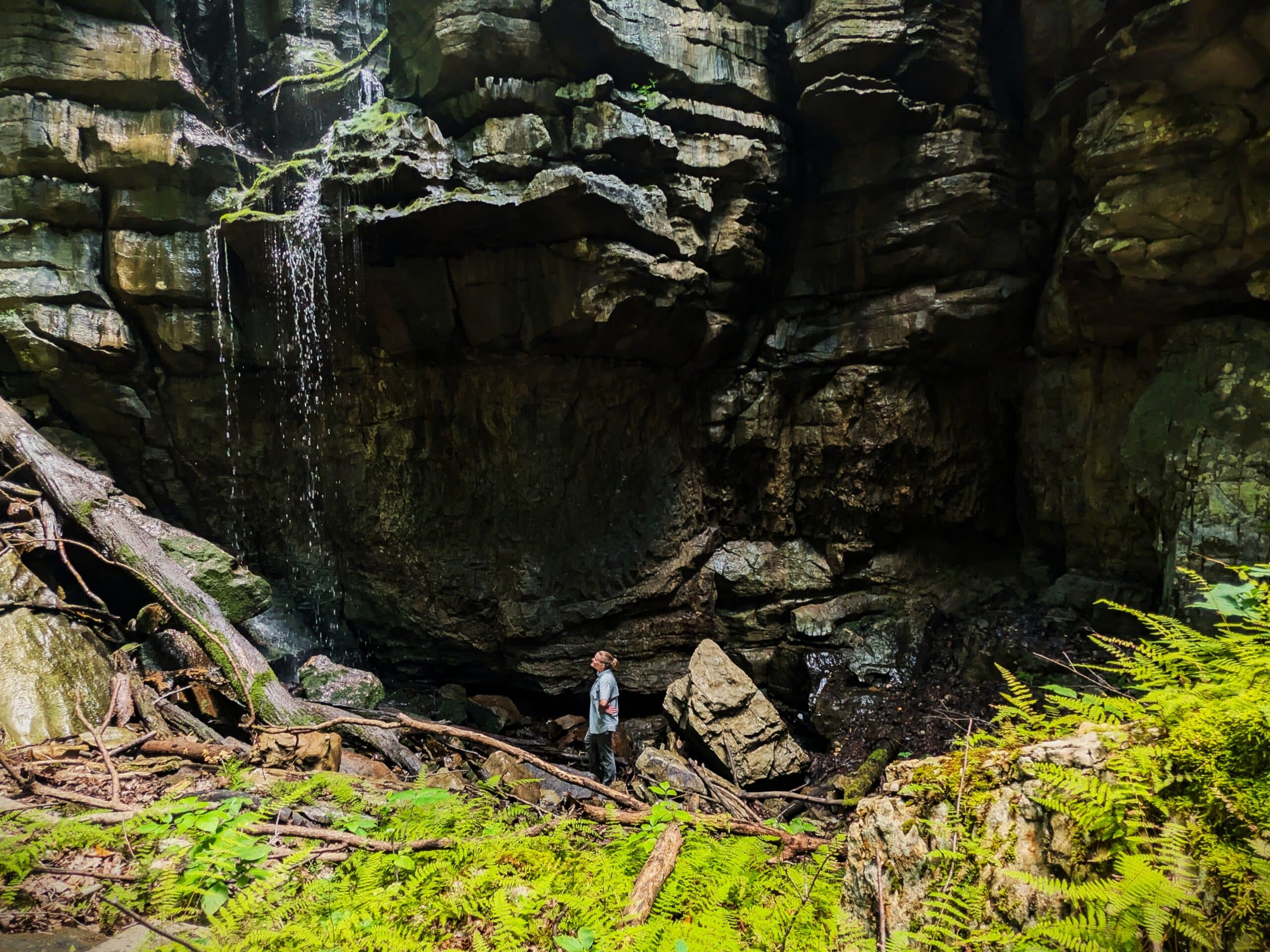
Conservation partners have added another 550 acres to Head of the Crow State Park in Franklin County through a collaborative acquisition effort made possible by funding from the Open Space Institute (OSI) and Tennessee’s Heritage Conservation Trust Fund (HCTF).
Tennessee (July 21, 2026) — TennGreen Land Conservancy, The Nature Conservancy in Tennessee, and The Conservation Fund have jointly secured another significant conservation victory on the South Cumberland Plateau. The partnership added approximately 550 acres to Head of the Crow State Park in Franklin County through a collaborative acquisition effort made possible by funding from the Open Space Institute (OSI), Tennessee’s Heritage Conservation Trust Fund (HCTF), and Lyndhurst Foundation. The project represents the latest example of how conservation partnerships are protecting some of the state’s most ecologically important landscapes while expanding opportunities for outdoor recreation and public enjoyment.
Head of the Crow State Park protects the headwaters of Crow Creek and encompasses a remarkable collection of forests, caves, streams, and rare species habitat. The park serves as a gateway to some of the most biologically rich landscapes in Tennessee. These lands support federally threatened and endangered species while safeguarding the clean water resources that flow from the plateau into surrounding communities.
As highlighted by State Naturalist Roger McCoy, Director of TN’s Division of Natural Areas, “Head of the Crow straddles both the sandstone-dominated Plateau top that contains acidic bog-like habitats supporting rare orchids and other wetland species. The western edge of the park descends into limestone-dominated Crow Creek Valley with numerous outcrops and caves. These rocky outcrops support species unique to this region including the painted tigersnail, Morefield’s leatherflower, Cumberland rosinweed, and Cumberland pagoda plant.”
‘Exemplary Biodiversity’
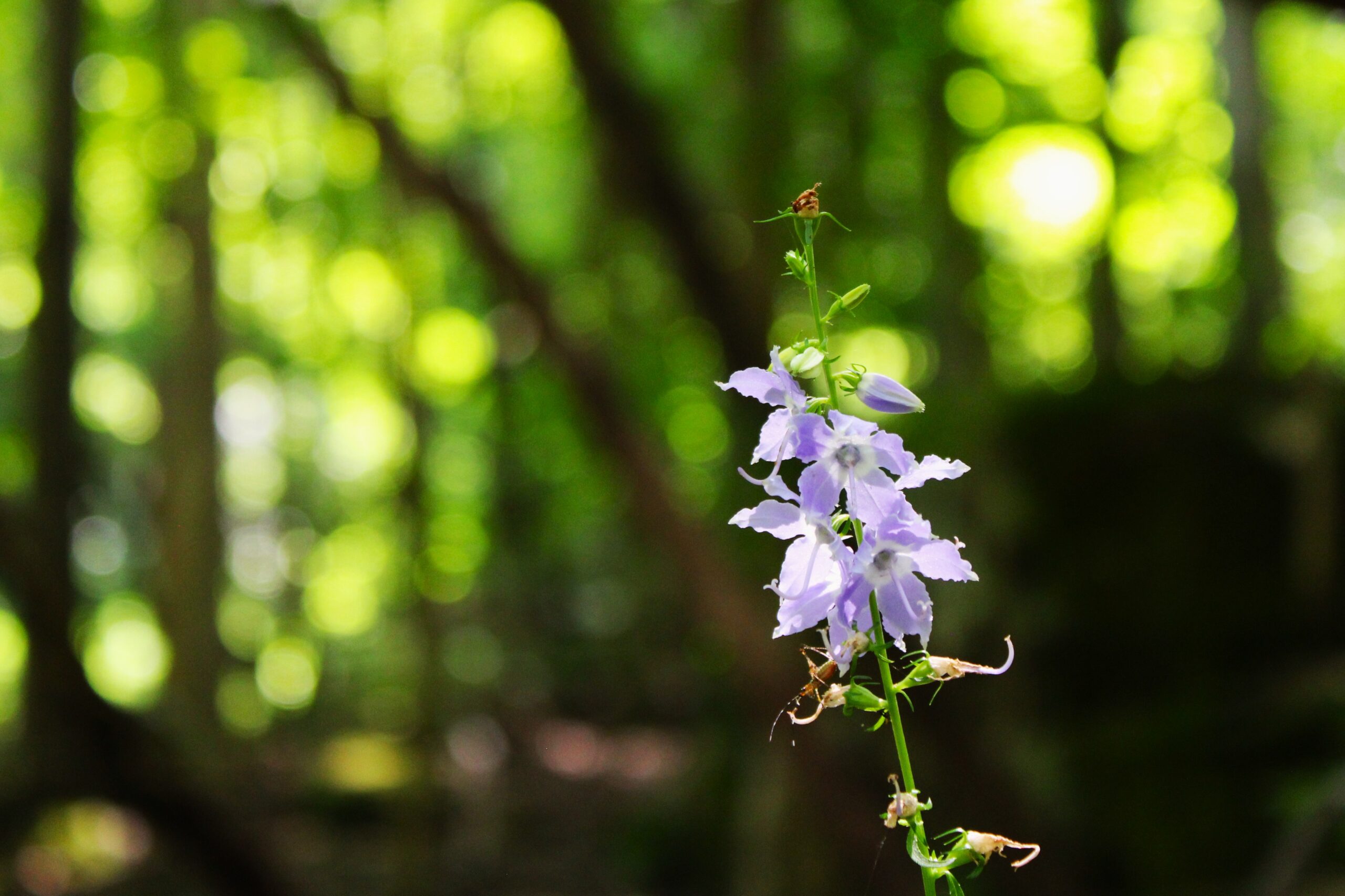
Conservation in Franklin County continues to be increasingly important as development pressure affects significant natural resources. The South Cumberland Plateau is recognized for extensive forest cover, dramatic sandstone bluffs, caves, and high-quality streams that all coexist with exemplary biodiversity. Conservation efforts in the region help prevent habitat fragmentation by development and ensure that future generations can continue to experience these unique natural resources through Tennessee’s world-class outdoor recreation opportunities.
“We’re proud to have our partnership add significant acreage into Head of the Crow State Park so current families and future generations can enjoy these forests and creeks,” said Christie Henderson, Deputy Director and acquisition lead for TennGreen Land Conservancy. “This diverse state park will no doubt become another premier park not just for Tennesseans, but for the entire country.”
The newly protected acreage strengthens an expanding network of conserved lands across the South Cumberland Plateau, one of Tennessee’s most celebrated outdoor destinations. In addition to expanding Head of the Crow State Park by 550 acres in 2026, TennGreen, TNC, and TCF also jointly expanded the park by 479 acres in 2025 through the support of Tennessee’s Heritage Conservation Trust Fund.
‘The significance of places like Head of the Crow State Park cannot be OVERSTATED’
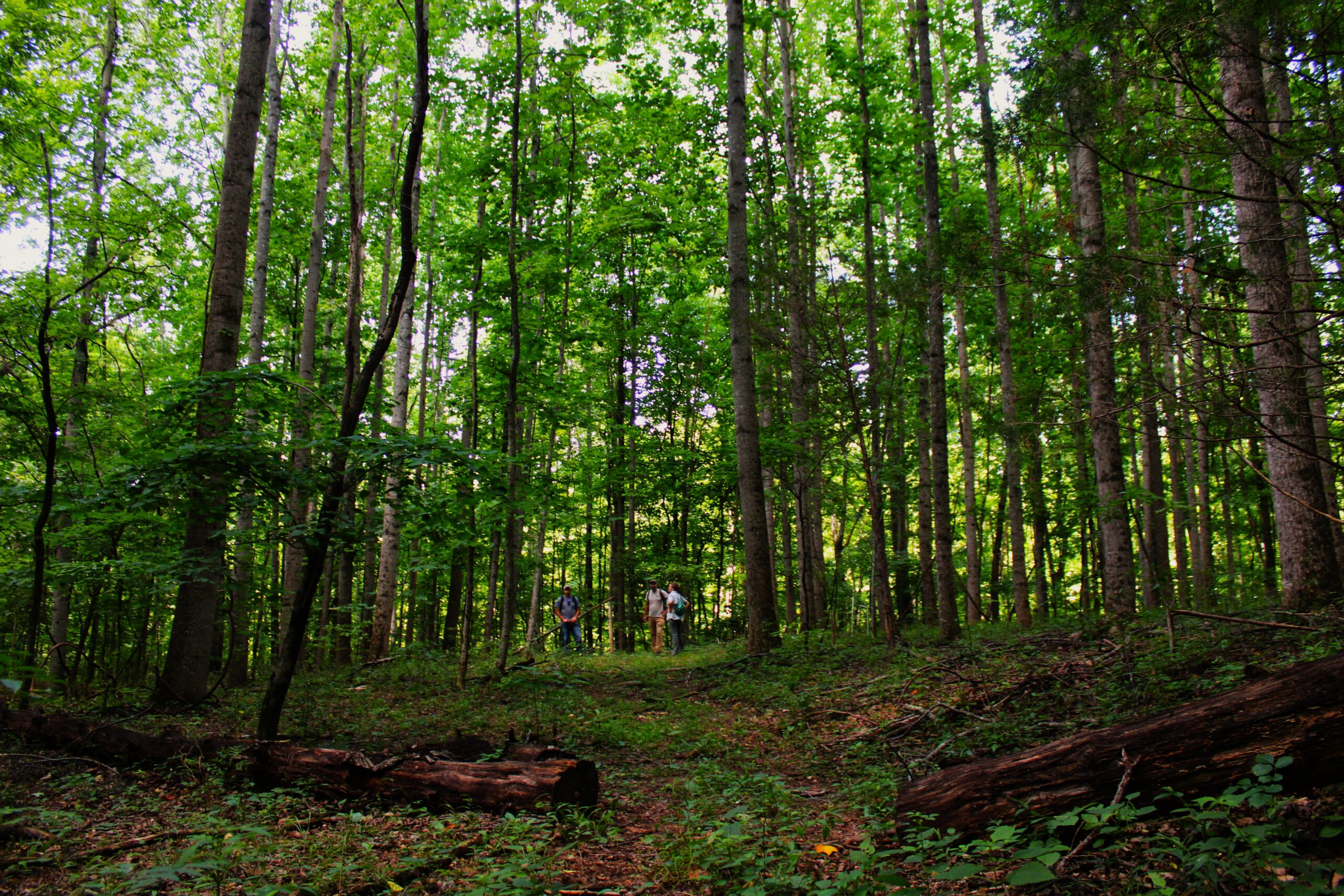
“As Tennessee continues to experience rapid growth in both population and infrastructure, the significance of places like Head of the Crow State Park cannot be overstated,” said Gabby Lynch, Director of Land for The Nature Conservancy in Tennessee. “The decades of land conservation successes in Tennessee’s South Cumberland Plateau region happen only through public/private collaboration.”
“The Conservation Fund is proud to work alongside TennGreen, The Nature Conservancy and our state partners to protect the places that make Tennessee so special,” added Zachary Lesch-Huie, Tennessee state director at The Conservation Fund. “We applaud Tennessee’s conservation leadership and are honored to assist in the creation of a new state park. Projects like this show what’s possible when strong partners come together with a shared commitment to conservation, creating lasting benefits for both people and wildlife.”
By adding these tracts, TennGreen and partners are helping to create a more connected and resilient landscape that benefits wildlife, protects vital watersheds, and enhances public access to nature. The project demonstrates how strategic conservation investments from organizations such as OSI and HCTF continue to deliver lasting benefits for Tennessee’s environment, economy, and quality of life.
‘Lasting benefits for people and nature’


“The expansion of Head of the Crow State Park represents a conservation investment that delivers lasting benefits for people and nature,” said Joel Houser, Sr. Director Capital Grants, OSI. “By protecting these forests and strengthening connections across the South Cumberland landscape, this project helps safeguard wildlife habitat, improve public access to some of Tennessee’s most remarkable natural areas, and create new opportunities for outdoor recreation and economic activity in rural Tennessee. OSI is proud to partner with TennGreen, TNC, TCF, and the State of Tennessee to advance a long-term vision for conservation in the Crow Creek Valley.”
*This project was funded through the Open Space Institute’s Appalachian Landscapes Protection Fund, which supports the protection of climate resilient lands for wildlife and communities. The Fund is possible thanks to major support from the Doris Duke Foundation, and additional funding from the Lyndhurst Foundation, Riverview Foundation, Tucker Foundation, and McKee Family of Collegedale.
New Head of the Crow State Park Map:

For more information on the park, visit Head of the Crow State Park’s website.
TennGreen Land Conservancy
is a 501(c)(3) environmental nonprofit and the oldest accredited statewide land conservancy in Tennessee. TennGreen’s mission is to conserve land where people and nature can thrive. Through sound science and partnerships, TennGreen identifies and conserves land across Tennessee for wildlife corridors, critical habitat, and public benefit. TennGreen protects, cares for, and connects people with Tennessee’s natural world by providing meaningful outdoor experiences, establishing conservation easements, supporting restoration efforts, and acquiring (or assisting in the acquisition of) privately held land.
The Conservation Fund
protects the land that sustains us all. We are in the business of conservation, creating innovative solutions that drive nature-based action in all 50 states for climate protection, vibrant communities and sustainable economies. We apply effective strategies, efficient financing approaches and enduring government, community and private partnerships to protect millions of acres of America’s natural land, cultural sites, recreation areas and working forests and farms.
The Nature Conservancy
is a global conservation organization dedicated to conserving the lands and waters on which all life depends. Guided by science, we create innovative, on-the-ground solutions to our world’s toughest challenges so that nature and people can thrive together. We are tackling climate change, conserving lands, waters and oceans at an unprecedented scale, providing food and water sustainably and helping make cities more resilient. The Nature Conservancy is working to make a lasting difference around the world in 83 countries and territories (39 by direct conservation impact and 44 through partners) through a collaborative approach that engages local communities, governments, the private sector, and other partners.
The Open Space Institute
is a national leader in land conservation and efforts to make parks and other protected land more welcoming for all. Since 1974, OSI has partnered in the protection of more than 2.5 million at-risk and environmentally sensitive acres in the eastern U.S. OSI’s land protection promotes clean air and water, improves access to recreation, provides wildlife habitat, strengthens communities, and combats the devastating impacts of extreme weather.